
Exploring the Colors of India 2026: A Visual Journey

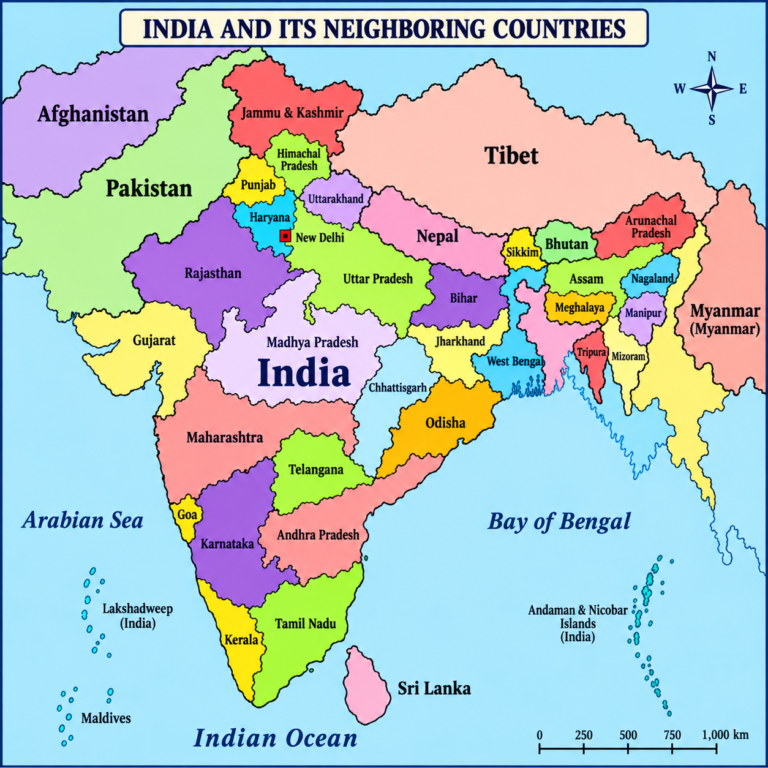
Exploring the Colors of India: A Visual Journey India, a land of vast diversity and rich history, stands as one of the world’s most influential and emerging nations. Spanning over 3.2 million square kilometers, it is home to more than 1.4 billion people who speak hundreds of languages and practice various religions. From the ancient Indus Valley Civilization to its status as the world’s largest democracy, India’s journey is marked by significant milestones that have shaped its cultural, political, and economic landscape. As we explore the multifaceted dimensions of India—from its historical roots to contemporary challenges and future aspirations—we gain insight into a nation that is not only integral to the South Asian region but also plays a pivotal role in global affairs.

Table of Contents

Overview of India: Geography and Demographics

Geographical Regions and Landforms

India is like a quilt of diverse geographical patches stitched together; it boasts the vast Himalayas in the north, the expansive Thar Desert in the west, lush coastal plains along the east and west, and the fertile Gangetic plains smack in the middle. Whether you’re scaling the heights of the Himalayas or lounging on a beach in Goa, India’s landforms remind us that variety is the spice of life—literally and figuratively.

With over 1.4 billion people, it’s safe to say India is home to a crowd that could fill a few stadiums—or maybe several cities. The population is a delightful mix of youth and experience, with about 50% under the age of 25. Just when you think it can’t get any more interesting, the population is projected to surpass China in the coming years, ensuring that India continues to be the world’s most populous democracy and a bustling hub of human activity.

Urban vs. Rural Distribution

India’s urban landscape is a riot of modern skyscrapers and bustling markets, but just a stone’s throw away, you’ll find serene rural villages where life moves at a leisurely pace. Approximately 34% of the population resides in urban areas, leaving the majority spread out across charming villages that often feel like stepping into a time machine. This urban-rural divide creates a fascinating contrast where modernity meets tradition, and sometimes, the Wi-Fi signal drops just when you need it most.

Historical Milestones: From Ancient Civilizations to Modern Republic

Indus Valley Civilization

Around 2500 BCE, the Indus Valley Civilization strutted its stuff with sophisticated urban planning and impressive drainage systems. Think of it as the ancient version of a tech-savvy city. Yet, like that one friend who mysteriously disappears, this advanced culture faded away by 1900 BCE, leaving us with more questions than answers—except about the origins of cricket, which remain a mystery for another day.

The Maurya and Gupta Empires

Fast forward a few centuries, and the Maurya and Gupta Empires popped up, bringing about a golden age of arts, science, and philosophy. Under the reign of Chandragupta Maurya and later Ashoka, we saw the spread of Buddhism and a focus on governance that wouldn’t seem out of place in a textbook today. The Gupta Empire? Well, they basically invented zero (yes, really!), proving they could count in more ways than one.

The Mughal Era and British Colonialism

From the grand architecture of the Taj Mahal to the vibrant court life, the Mughal Era brought a dash of drama to Indian history. Then, the British rolled in like uninvited guests at a party and decided to stick around for nearly 200 years. While they brought railways and a penchant for tea, they also left behind a legacy of struggle and resilience, leading us to the heart of India’s independence movement.

Independence Movement and Post-Colonial India

The fight for independence was no cakewalk. With leaders like Mahatma Gandhi advocating for non-violent resistance, the movement transformed India’s narrative. In 1947, India gained independence, bursting free like a confetti cannon—though it came with the bittersweet division of Pakistan. Since then, India has embraced its identity as a secular republic, navigating the colorful chaos of democracy and building a nation that’s equal parts tradition and innovation.

Cultural Diversity: Languages, Religions, and Traditions

Major Languages and Dialects

India is a linguistic buffet with 22 officially recognized languages and thousands of dialects. Hindi and English reign at the top, but regional languages like Bengali, Tamil, and Punjabi add a rich tapestry of communication. It’s not uncommon to hear someone switch languages mid-sentence, leaving you wondering if you should have paid more attention in language class.

Religious Landscape: Hinduism, Islam, Christianity, and Others

Home to a multitude of religions, India is a faith kaleidoscope where Hinduism, Islam, Christianity, Sikhism, Buddhism, and Jainism coexist. This religious diversity translates into vibrant rituals, festivals, and a healthy dose of philosophical debate—especially during family gatherings. Just when you think you’ve understood it all, someone brings up a new perspective, reminding you that the search for truth is a lifelong journey.

Cultural Festivals and Celebrations

From Diwali’s sparkling lights to Eid’s feasts, India’s festivals are a wild celebration of life. Each event is steeped in tradition and offers an excuse to dress up, indulge in mouth-watering treats, and partake in cultural rituals. With at least one festival happening every month, it’s like a year-long party with fireworks, sweets, music, and maybe a dance move or two that would put any Bollywood star to shame.

Art, Music, and Cuisine

When it comes to art, music, and cuisine, India is akin to a vibrant tapestry that’s always being woven. Classical music styles like Hindustani and Carnatic provide soulful sounds, while Bollywood beats get even the shyest person on the dance floor. And let’s not forget the cuisine— from spicy curries to sweet treats like gulab jamun, the culinary diversity is sure to tickle your taste buds and keep you coming back for more, even if you end up in a food coma.

Economic Landscape: Growth, Challenges, and Opportunities

Key Industries and Economic Sectors

India’s economy is a bustling bazaar of various industries, including IT, agriculture, textiles, and automobiles. The IT sector, in particular, is akin to a superhero cape, propelling the country onto the global stage. It’s all about the “G” word—growth—though every superhero has its kryptonite, and India’s still tackling a few challenges.

Emerging Markets and Technology

The tech scene in India is like a wild rollercoaster ride—full of thrilling startups and innovations. With a growing focus on artificial intelligence, fintech, and e-commerce, the possibilities seem limitless. Entrepreneurs are sprouting faster than you can say “disruption,” and the digital revolution is fostering a new generation of ambitious techies ready to take on the world.

Poverty and Income Inequality

But, let’s not sugarcoat it—India grapples with its fair share of socio-economic issues. Poverty and income inequality remain significant challenges, with a stark divide between the wealthy and the less fortunate. The struggle is real, but so is the determination. Many organizations are tirelessly working to address these issues, bringing hope and change to communities.

Government Initiatives and Reforms

The government has stepped up to the challenge with initiatives aimed at spurring economic growth, such as “Make in India” and “Digital India

Political Structure: Governance and Democracy in India

India’s Constitution is like a buffet of democracy, serving up rights, duties, and the fundamental principles that govern the nation. Adopted in 1950, it’s a hefty tome that guarantees everything from freedom of speech to the right to equality – all sprinkled with a dash of secularism and social justice. With amendments aplenty, it’s a living document that reflects the changing tastes and needs of the Indian populace. And let’s be honest, keeping up with amendments is harder than keeping track of your favorite Netflix shows!

Political Parties and Election Process

India is a multi-party democratic circus where political parties juggle ideologies, promises, and even a few controversies. The Indian National Congress and Bharatiya Janata Party (BJP) steal the spotlight most of the time, but there’s always room for smaller acts trying to make a name for themselves. Elections? Think of a grand festival, with colorful rallies, catchy slogans, and the occasional political drama unfolding on social media. Voter turnout is a matter of pride, with citizens flocking to the polls – because nothing says democracy like casting your vote while wearing your favorite electoral swag!

Role of the Judiciary and Civil Society

India’s judiciary acts as the guardian of the Constitution, playing referee in the game of democracy. With an independent judiciary that’s not afraid to call out the government (cue the superhero music), it ensures that justice prevails. Meanwhile, civil society organizations are like the busy bees of social change, buzzing around to raise awareness and ensure accountability. They tackle everything from human rights issues to environmental concerns, proving that ordinary citizens can create extraordinary waves – one petition at a time.

Social Issues: Education, Health, and Gender Equality

Educational Reforms and Challenges

In India, education is revered, often compared to that favorite childhood toy that everyone wants but few can keep intact. The government has introduced reforms to increase accessibility, quality, and inclusivity in education, shining the spotlight on skill development and vocational training. However, challenges loom large – from overcrowded classrooms to a lack of infrastructure, it’s a real balancing act. But with education being the key to unlocking potential, the journey continues, often with a side of humor and creativity to keep spirits high.

Healthcare Access and Public Health Initiatives

When it comes to healthcare, India is on a mission. The country is ramping up public health initiatives that aim to tackle everything from maternal health to universal access to essential services. While modern-day challenges like urbanization and population density pose health hazards, initiatives like Ayushman Bharat are stepping up to the plate, aiming to provide insurance to millions. It’s like putting together a colossal jigsaw puzzle where every piece matters, even if some pieces occasionally come from different boxes!

Gender Roles and Women’s Empowerment

Gender equality in India is a work in progress, shaped by cultural dynamics and modern aspirations. Women are increasingly breaking the glass ceiling, while also fighting for equal rights and representation. With campaigns and movements gaining momentum, women are not just changing the narrative; they’re rewriting the story altogether. As society evolves, the idea of gender roles is being challenged, ensuring that everyone gets a seat at the table – possibly with extra dessert, because who doesn’t love dessert?

India on the Global Stage: International Relations and Influence

Key Diplomatic Relationships

Like a skilled diplomat at an international dinner party, India has been nurturing various relationships around the globe. Its ties with the United States are often top of the guest list, characterized by a blend of strategic partnerships and cultural exchanges. Meanwhile, relationships with neighboring countries like China, Pakistan, and Bangladesh are perpetually in the spotlight, driven by history, trade, and sometimes a dash of tension. Navigating these waters requires finesse, diplomacy, and a touch of charm – something India has in spades.

Membership in International Organizations

India wears its membership in international organizations like a badge of honor, strutting its stuff in the UN, BRICS, and G20 among others. Its voice is crucial on global issues such as climate change, peacekeeping, and sustainable development. With growing influence, India is not just a participant but a key player in shaping global discourse – because when the world talks, India is determined to be at the table, armed with plenty of chai and ideas.

Trade Agreements and Economic Partnerships

Trade agreements are where India flexes its economic muscles, forming partnerships that boost its global presence. Whether it’s through regional agreements like SAFTA, or bilateral ones with major economies, India is keen on increasing trade and investment. As the world becomes a marketplace, India’s economy is dancing to a rhythm of growth, innovation, and change – arguably the most dynamic dance performance you’ll ever see!

Future Prospects: Innovations, Sustainability, and Development Goals

Technological Innovations and Startups

India is riding the tech wave like a pro surfer on the ocean of innovation. With a booming startup culture, the country is home to a plethora of unicorns sprouting up in the tech landscape, from fintech to health-tech. Incubators and accelerators are fuelling the entrepreneurial spirit, and innovation is the name of the game. Forget Silicon Valley; India is crafting its own version of a tech utopia, one app at a time – and they’re often designed to make your life a whole lot easier!

Sustainable Development and Environmental Initiatives

In an age where “going green” is as cool as a cucumber, India is embracing sustainability like a long-lost friend. The government and various NGOs are launching initiatives aimed at renewable energy, waste management, and conservation efforts. From solar parks to ambitious planting drives, India is committed to sustainable development goals that ensure a healthier planet. Who knew that saving the Earth could also deliver a double shot of inspiration and hope?

Development Goals and Vision 2030

As the world looks to the future, India has outlined its development goals under the ambitious Vision 2030. This roadmap includes combating poverty, ensuring quality education, enhancing healthcare systems, and fostering economic growth. With a focus on inclusive growth, India aims to not just meet the goals but to exceed them – because when it comes to ambition, this nation has enough to spare. Buckle up, folks; the journey is just getting started!In conclusion, India’s rich tapestry of history, culture, and diversity continues to evolve, presenting both challenges and opportunities for its people. As the nation navigates its path toward sustainable development and global prominence, understanding its complexities becomes increasingly important. With its youthful population, vibrant economy, and commitment to democratic values, India is poised to make significant contributions on the world stage in the years to come. The journey of this remarkable country is one of resilience and promise, reflecting the spirit of its people as they strive for a brighter future.

Frequently Asked Questions

What are the primary languages spoken in India?

India is a linguistically diverse country with hundreds of languages spoken. The official languages include Hindi and English, while other prominent languages such as Bengali, Telugu, Marathi, Tamil, Urdu, and Gujarati reflect the rich cultural heritage of various regions.

What is the significance of India’s independence movement?

The independence movement was a pivotal struggle against British colonial rule, culminating in India gaining independence on August 15, 1947. This movement united people across different regions and communities, fostering a sense of national identity and laying the foundation for a democratic republic.

How does India’s political system work?

India operates as a federal parliamentary democratic republic, where the President is the head of state and the Prime Minister is the head of government. The political system consists of a bicameral legislature, with representatives elected at both national and state levels, ensuring a democratic process for governance.

What are some major economic challenges faced by India?

India faces several economic challenges, including poverty, income inequality, unemployment, and inadequate infrastructure. Addressing these issues is essential for sustaining economic growth and improving the quality of life for its citizens.

Scroll to Top