
Introduction to Indian Railways
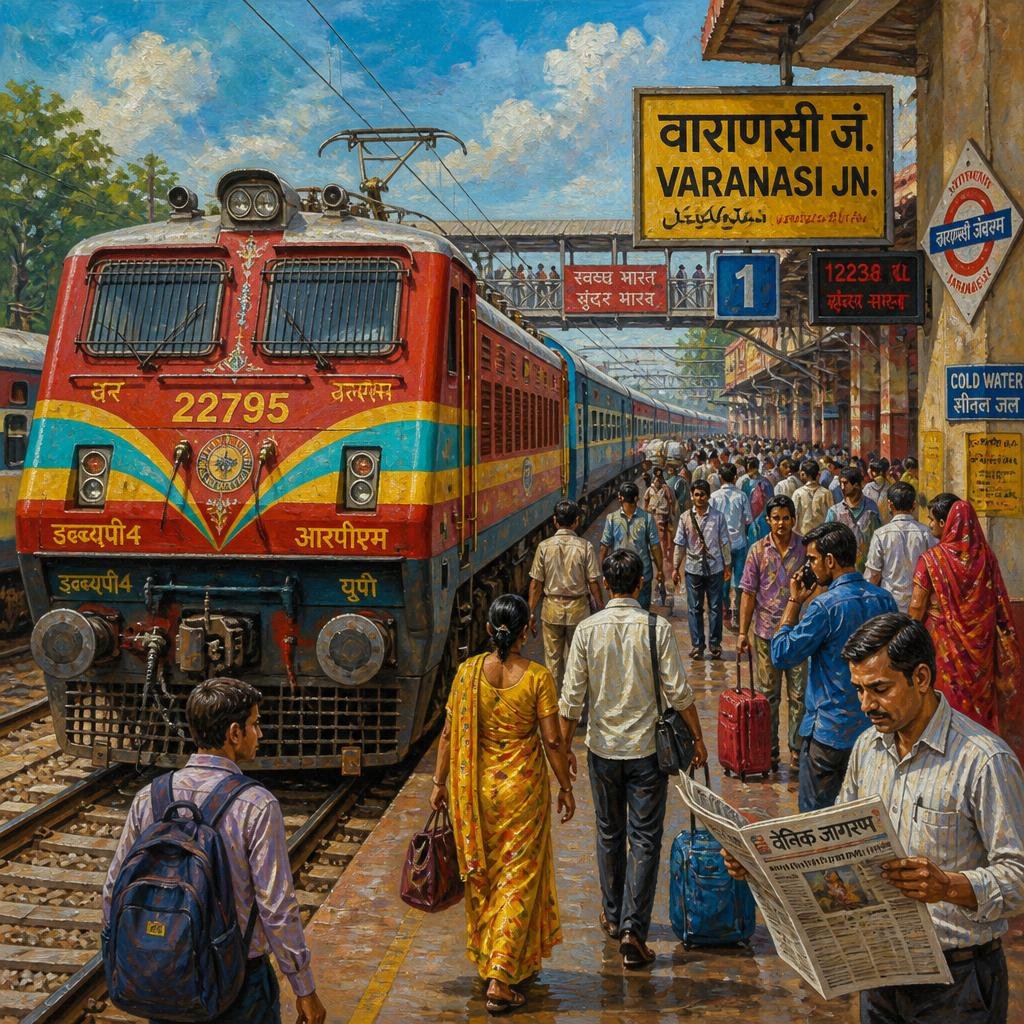
Table of Contents
Indian Railways, established in 1853, holds a prominent position in the transportation sector of India and is one of the largest railway networks in the world, stretching over 67,368 kilometers. The formation of Indian Railways marked a significant milestone in the country’s infrastructure development, providing an efficient mode of transport that connected various regions and cultures across the vast landscape of India. Initially conceived to facilitate resource movement and contribute to the colonial economy, Indian Railways has since grown remarkably, adapting to the needs of a rapidly changing nation.
Throughout its history, Indian Railways has undergone considerable transformations in both its structure and operations. The post-independence era saw the nationalization of the railways, enabling the government to expand services aimed at improving accessibility and promoting economic development across rural and urban areas. The introduction of modern technologies and innovations has further streamlined operations, enhancing both passenger and freight services. Today, the railway system not only caters to millions of commuters daily but also serves as a backbone for the transportation of goods, shaping trade and commerce in the country.
The significance of Indian Railways extends beyond mere transportation; it plays a vital role in the socio-economic fabric of the nation. By connecting remote and urban areas, it fosters regional development and cultural exchange. The railway network supports tourism by providing direct routes to key destinations, making travel convenient and affordable. Furthermore, Indian Railways employs over a million people, contributing significantly to employment generation in India. The ongoing efforts to modernize infrastructure and services, including the introduction of high-speed trains, reflect the commitment to enhancing the overall railway experience.
The Structure of Indian Railways
Indian Railways, one of the largest railway networks in the world, operates under a well-defined administrative structure designed to ensure its effective functioning. At the apex level, the organization is governed by the Ministry of Railways, which provides policy direction and oversees the railway’s overall governance. The railway system is segmented into various zones, each playing a crucial role in the execution of operations.
There are currently 18 zones within Indian Railways, each headed by a General Manager. These zones are further divided into divisions, which serve as the fundamental units of management responsible for day-to-day operations. This hierarchical structure facilitates efficient coordination and synergy between the various departments that are pivotal in ensuring smooth railway operations.
In addition to the General Managers at the zonal level, each division is overseen by a Divisional Railway Manager (DRM). The DRM is responsible for managing all activities within the division, including the maintenance of tracks, train operations, and customer service. This structure ensures that all levels of management are accountable and can react promptly to operational challenges.
Within the organizational framework, several key departments play crucial roles. The Operations department focuses on ensuring the timely running of train services, while the Maintenance department is responsible for the upkeep of tracks, rolling stock, and infrastructure. Additionally, the Commercial department works on revenue generation through ticketing and freight services, forming the financial backbone of Indian Railways. Together, these departments work in synchronization to maintain operational efficiency, enhance customer satisfaction, and optimize revenue generation.
Types of Trains and Services Offered
Indian Railways is one of the largest railway networks in the world, serving a diverse range of passengers and cargo. It operates several types of trains that cater to different needs and preferences, ensuring efficient transport across the vast Indian landscape. Passenger trains constitute the majority of train services, with numerous categories such as express, mail, and local trains. Among these, the premium classes include Rajdhani and Shatabdi express trains, known for their speed and superior amenities.
Rajdhani Express trains are designed to connect major cities, offering air-conditioned compartments that provide comfort and convenience. These trains specialize in catering to long-distance travelers, with meals included in the ticket price. Shatabdi Express trains are another notable mention, primarily operating on short-distance routes, and offering similar luxury in AC compartments but with quicker travel times. Both these types of trains exemplify excellence within the passenger division of Indian Railways.
In addition to express services, Indian Railways also offers sleeper class accommodations for budget travelers who prefer overnight journeys at economical rates. Sleeper class coaches are typically equipped with basic amenities to ensure a comfortable journey without straining the wallet. For those who seek a superior experience, AC compartments across various classes such as First Class, Executive Class, and 2nd AC provide enhanced comfort levels, complete with privacy and reclinable seats.
Freight trains, on the other hand, serve the logistical needs of the country, transporting goods ranging from agricultural products to heavy machinery. Specialized freight services, including Parcel and Container trains, help streamline supply chains effectively. Overall, Indian Railways encapsulates a diverse range of services designed to accommodate the needs of all passengers, whether they seek luxury, comfort, or affordability during their journeys.
Technological Innovations in Indian Railways
The Indian Railways has undergone significant technological advancements over the years, shaping its operations and enhancing passenger experiences. One of the most notable developments is the introduction of high-speed trains, which have revolutionized long-distance travel across the country. The introduction of trains like the Vande Bharat Express has not only reduced travel time but also provided passengers with modern amenities and comfort that were previously unavailable.
Digital ticketing systems have also made a remarkable impact by streamlining the ticket booking process for millions of passengers. Initiatives such as the IRCTC platform have enabled travelers to book tickets online with ease, reducing queues at ticket counters and eliminating the need for physical tickets. This digital transformation supports efficient resource management and minimizes human errors, making travel planning more convenient.
Furthermore, GPS tracking systems have been integrated into the rail network to enhance operational efficiency and improve service reliability. Real-time monitoring of train locations allows passengers to receive timely updates regarding train schedules, delays, and platform changes, significantly enhancing their travel experience. This innovation also aids in better train scheduling and timely departures and arrivals, which are crucial for improving the overall performance of the railway system.
Safety measures have also been prioritized with various technologies implemented to enhance the security of passengers. Features such as automated fire alarms, electronic surveillance systems at stations, and the installation of better signaling equipment contribute to safer travel experiences. In addition, the modernization of railway stations equipped with advanced facilities such as Wi-Fi, smart parking, and improved waiting areas has further elevated the comfort levels for travelers.
Collectively, these technological innovations within Indian Railways showcase a commitment to not only preserving the legacy of the rail network but also propelling it into the future. Through continuous integration of technology, Indian Railways is indeed redefining the standards of railway travel in the country.
Safety Measures and Protocols
Indian Railways has always prioritized the safety of its passengers through a robust framework of safety measures and protocols. Given its vast operational landscape, the railway network has implemented various safety management practices to mitigate the risks associated with railway travel. Ensuring passenger safety is not only a regulatory requirement but also a fundamental commitment of Indian Railways.
One of the cornerstones of the safety protocols implemented by Indian Railways is the integration of advanced technologies. For instance, the use of the Train Collision Avoidance System (TCAS) is pivotal in preventing accidents due to human error. TCAS enables trains to communicate with each other and automatically applies brakes to avert potential collisions. Such technological innovations play a crucial role in enhancing overall safety standards across the railway system.
Moreover, Indian Railways has established comprehensive emergency response systems to address unforeseen incidents. These systems include well-defined protocols for evacuating passengers, immediate medical assistance, and coordination with local authorities. Safety drills and training sessions conducted for staff ensure that they are well-prepared to handle emergencies professionally and swiftly. Staff members, from onboard personnel to control room operators, are integral to maintaining high safety standards and are trained to follow established safety protocols diligently.
Furthermore, Indian Railways regularly conducts safety audits and inspections to evaluate the efficacy of safety measures. This continuous evaluation helps in identifying areas that require enhancements and ensures compliance with national and international safety benchmarks. Safety awareness campaigns are also organized to educate passengers about their role in maintaining safety on trains and platforms. Through these initiatives, Indian Railways not only fortifies its commitment to safety but also fosters a culture of safety-consciousness among travelers.
Environmental Initiatives by Indian Railways
Indian Railways has undertaken a series of innovative environmental initiatives aimed at promoting sustainability and significantly reducing its carbon footprint. One of the most notable efforts is the extensive push for solar energy projects across the railway network. These projects not only harness renewable energy but also serve to decrease reliance on fossil fuels, aligning with the global movement towards cleaner energy solutions. By the year 2025, Indian Railways aims to achieve a target of installing solar panels with an impressive capacity of over 20 gigawatts, thereby contributing substantially to green energy production.
In addition to solar initiatives, Indian Railways has also implemented robust waste management systems. These systems focus on segregation, recycling, and the proper disposal of waste generated on trains and at stations. By integrating biomethanation and composting methods, Indian Railways effectively reduces the volume of waste directed towards landfills. Furthermore, this initiative promotes the circular economy, wherein waste materials are repurposed and transformed into useful resources.
Indian Railways has been proactive in achieving green certification for many of its stations, which signifies adherence to eco-friendly practices and resource efficiency. These certified stations adopt energy-efficient designs, enhance water conservation efforts, and implement pollution control measures. The emphasis on sustainability extends to the electrification of railway lines, with a commitment to electrifying the entire network by 2023. This initiative is expected to not only lower greenhouse gas emissions but also improve energy efficiency, leading to a more environmentally friendly operation overall.
Through these collective efforts, Indian Railways is paving the way towards sustainable transportation, demonstrating a commitment to environmental stewardship while addressing the challenges of climate change. The success of these initiatives will have a lasting impact on environmental conservation, aiding in the preservation of natural resources for future generations.
Cultural and Economic Impact of Indian Railways
The Indian Railways, one of the world’s largest rail networks, plays a pivotal role in the cultural and economic landscape of the nation. It serves as a lifeline for millions of passengers, enhancing connectivity across various regions. The railways not only facilitate travel but also act as a catalyst for socio-economic development. With its extensive reach, the Indian Railways has transformed the way people access jobs, education, and other essential services.
Economically, the Indian Railways contributes significantly to the national GDP. The revenue generated from ticket sales, freight transport, and ancillary services has a profound impact on financial growth. Moreover, the railways generate substantial employment opportunities, directly employing over a million people and indirectly supporting numerous livelihoods through associated industries. The mobility offered by rail travel enables local businesses to thrive, thereby stimulating regional economies.
Furthermore, Indian Railways is a cultural phenomenon in itself. Train journeys are often considered a quintessential experience, steeped in the diverse traditions and practices found across the country. The unique railway food, ranging from local delicacies to meals catering to various dietary preferences, showcases the rich culinary diversity of India. This gastronomic experience on trains enriches travel and promotes culinary tourism, drawing food enthusiasts to explore regional cuisines.
The Indian Railways also fosters cultural exchange. Passengers from different backgrounds share stories, experiences, and cultures during their journeys, thereby promoting social cohesion. Moreover, various events, festivals, and artistic performances are often connected with train travel, making it not just a mode of transport but a cultural experience. The train journey, therefore, becomes a confluence of transportation and cultural exploration, significant in shaping the social fabric of India.
Challenges Facing Indian Railways
The Indian Railways, while a marvel of engineering and a lifeline for millions, faces several significant challenges that impede its growth and operational efficiency. Financial constraints remain a prominent issue; despite being one of the largest rail networks globally, it grapples with a substantial debt burden and inadequate funding. This financial strain hampers the capacity to invest in necessary infrastructure upgrades and modern equipment, thereby limiting expansion efforts and maintenance capabilities.
Another pressing challenge is the backlog in infrastructure development. Over the years, Indian Railways has struggled to address the deteriorating state of its existing assets, including tracks, bridges, and stations. Many of these infrastructures are not only outdated but also can pose safety risks to passengers. The prolonged inability to enhance capacity often leads to overcrowded trains and prolonged travel times, which consequently impacts passenger satisfaction.
Additionally, competition from other modes of transport, such as airlines and road travel, presents another hurdle. The growth of private players in air travel has led to a significant share of travelers opting for flights, particularly for longer distances. Similarly, the expansion of efficient bus services has attracted potential rail passengers who value convenience and speed. This shift in transportation preferences necessitates a strategic response from Indian Railways to innovate and improve service quality.
Moreover, the need for modernization is becoming increasingly urgent. Advances in technology offer potential solutions for improving the operational efficiency of trains and enhancing track safety. However, the slow pace of adopting modern technologies—often due to financial limitations—hinders improvements in service reliability and customer experience. As these challenges remain intertwined, their implications for service quality and passenger satisfaction are profound. Ensuring that Indian Railways can adapt and thrive in such a competitive environment will require concerted effort and innovative strategies.
The Future of Indian Railways
Indian Railways, a vital part of the nation’s infrastructure, is poised for a revolutionary transformation in the coming years. As the lifeline of India, its future holds several ambitious projects aimed at modernizing and expanding its services. One of the key strategic plans is the implementation of high-speed rail corridors that will significantly reduce travel time between major cities. The Mumbai-Ahmedabad Bullet Train project, which exemplifies such initiatives, is expected to showcase advanced technology and efficiency.
Furthermore, Indian Railways is actively pursuing modernization through the introduction of modern trains that incorporate contemporary safety features and enhanced passenger comforts. The Train Set initiatives, aimed at producing semi-high-speed trains, are likely to establish new benchmarks in rail travel within the country. This aligns with the national goal of upgrading the overall passenger experience, ensuring that convenience and speed are paramount.
Technological advancements play a crucial role in shaping the future of Indian Railways. The organization is investing heavily in digital infrastructure, including real-time tracking systems for trains and improved ticketing mechanisms that favor user-friendly interactions. Implementation of artificial intelligence and big data analytics will further streamline operations and predictive maintenance systems. Moreover, a strong focus on sustainability is emerging, with initiatives for solar energy utilization on railways and electric train operations that aim to minimize environmental impact.
The vision for Indian Railways also includes an emphasis on safety, ensuring that passengers can travel with confidence. The railways are increasingly adopting world-class standards and protocols in safety management, which includes the introduction of integrated surveillance systems and automated signaling to enhance the safety of operations.
In conclusion, the path forward for Indian Railways is defined by innovation, sustainability, and the unwavering commitment to providing a world-class transportation network. As these projects unfold, they will not only reshape the landscape of rail travel in India but also significantly contribute to the nation’s economic growth and connectivity.
Frequently Asked Questions About Indian Railways
Frequently Asked Questions About Indian Railways
1. What makes Indian Railways special?
Indian Railways is special because it connects thousands of cities, towns, and villages across India. It is one of the largest railway networks in the world and plays an important role in passenger travel, tourism, trade, and economic development.
2. When did Indian Railways begin?
Indian Railways began on 16 April 1853, when the first passenger train travelled from Bombay, now Mumbai, to Thane. The journey covered approximately 34 kilometres.
3. Which are the most famous trains in India?
Some of the most famous trains in India include the Vande Bharat Express, Rajdhani Express, Shatabdi Express, Duronto Express, Tejas Express, Palace on Wheels, Maharajas’ Express, and Deccan Odyssey.
4. What are the most scenic railway routes in India?
Popular scenic railway routes include the Kalka–Shimla Railway, Nilgiri Mountain Railway, Konkan Railway, Darjeeling Himalayan Railway, Jammu–Baramulla route, and the train journey through Dudhsagar Falls.
5. What is the fastest train in India?
Vande Bharat Express trains are among the fastest passenger trains operating in India. Their speed may vary depending on the route, railway track conditions, and operational restrictions.
6. How can passengers book Indian Railways tickets?
Passengers can book train tickets through the official IRCTC website, the IRCTC Rail Connect mobile application, authorised railway reservation counters, or approved travel platforms.
7. What is a PNR number in Indian Railways?
A PNR, or Passenger Name Record, is a unique 10-digit number provided when a railway ticket is booked. It helps passengers check their booking status, coach number, seat details, and confirmation status.
8. What are the main travel classes available on Indian trains?
Indian Railways offers several travel classes, including First AC, Second AC, Third AC, AC Chair Car, Executive Chair Car, Sleeper Class, Second Sitting, and General or Unreserved Class.
9. Are food services available on Indian trains?
Yes, food services are available on many Indian trains. Passengers may receive meals through onboard catering, pantry cars, station vendors, or online food-delivery services available at selected stations.
10. Which luxury trains operate in India?
Popular luxury trains in India include the Maharajas’ Express, Palace on Wheels, Deccan Odyssey, Golden Chariot, and Royal Rajasthan on Wheels. These trains offer premium cabins, fine dining, guided tours, and luxury services.
11. What are India’s UNESCO-recognised mountain railways?
The Mountain Railways of India recognised by UNESCO include the Darjeeling Himalayan Railway, Nilgiri Mountain Railway, and Kalka–Shimla Railway. These routes are famous for their history, engineering, and scenic beauty.
12. Why is Indian Railways important to the economy?
Indian Railways supports the economy by transporting passengers, agricultural products, raw materials, industrial goods, and essential supplies. It also creates employment and supports tourism and regional development.
13. What modern improvements are being introduced in Indian Railways?
Indian Railways is introducing modern trains, station redevelopment projects, railway electrification, improved signalling systems, digital ticketing, better passenger facilities, and enhanced safety technology.
14. Is train travel in India suitable for tourists?
Yes, train travel is an excellent way for tourists to explore India. It provides affordable transportation, access to remote destinations, scenic journeys, and an opportunity to experience the country’s diverse cultures and landscapes.
15. What should passengers carry during a train journey?
Passengers should carry a valid identity document, ticket details, drinking water, essential medicines, a mobile charger, personal hygiene items, and secure luggage locks. It is also advisable to keep valuable belongings safely stored.
16. How can passengers check live train status?
Passengers can check live train-running status through official railway applications, railway enquiry services, station enquiry boards, and authorised train-tracking platforms.
17. What is the difference between Rajdhani, Shatabdi, and Duronto trains?
Rajdhani Express trains mainly connect state capitals with New Delhi. Shatabdi Express trains are generally daytime intercity services, while Duronto Express trains provide long-distance travel with fewer scheduled stops.
18. Why are heritage trains important?
Heritage trains preserve India’s railway history and showcase traditional engineering, vintage locomotives, historic stations, and culturally important railway routes. They are also major tourist attractions.
19. Is Indian Railways environmentally friendly?
Rail travel is generally more energy-efficient than many forms of road or air transport. Indian Railways is also increasing electrification and adopting cleaner technologies to reduce fuel consumption and emissions.
20. Why should travellers explore India by train?
Travelling by train allows visitors to experience India’s mountains, forests, coastlines, cities, villages, and cultural diversity. It is one of the most memorable and affordable ways to discover the country.
More Info
- About Us
- Contact
- Disclaimer
- Indian Standard Time to EST
- Privacy policy
- Sitemap
- Terms and conditions
- Trains
- 68 Amrit Bharat Express: Journey into the Heart of India
- 11 Powerful Facts About Duronto Express: The Ultimate Guide to India’s Fastest Non-Stop Train
- 27575 Howrah Kamakhya Vande Bharat Sleeper Express Route
- 27576 Vande Bharat Sleeper Train Route List
- 4 UDAY Express (Utkrisht Double Decker Air Conditioned Yatri Express): India’s Premium Double-Decker Train
- 50 Sampark Kranti Express: A Journey Through the Heart of India
- 54 Best Rajdhani Express Trains in India – Complete Guide
- 7 Powerful Ways to Check PNR Status for Railway Tickets (2026 Guide)
- Antyodaya Express
- Garib Rath Express Trains: Ultimate 2026 Guide to Routes, Fares, Facilities & Booking
- Humsafar Express Trains: Complete List, Routes, Timings & Fare Details (2026)
- Indian Railway Time Table 2026
- Indian Railway Time Table 2026 – Guide to Check Train Timings Online
- Jan Shatabdi Express: 15 Amazing Benefits, Routes & Features You Must Know Before Traveling
- List of Railway Stations in India: 7 Powerful Facts About 7,000+ Stations (2026 Guide)
- Namo Bharat Express Trains: 15 Powerful Facts Every Indian Rail Passenger Must Know in 2026
- Shatabdi Express Trains: Routes, Timings, Fares & Facts
- Summer Special Train
- Tejas Express: 15 Amazing Facts About India’s Premium High-Speed Train Experience
- Trains Between Stations in India (Fast & Easy Train Search 2026)
- Vande Bharat Trains from Bangalore 2026: Amazing Routes & Prices Revealed (Avoid These Costly Travel Mistakes)
- What is Tatkal and Premium Tatkal in IRCTC? 11 Powerful Facts Every Passenger Must Know